
Fresh Projects is a UK-based software platform designed for architects, engineers, and other built-environment professionals to manage financial aspects of their projects. It helps teams track fees, timesheets, expenses, billing, and overall profitability to keep projects on budget and profitable. The platform also centralises project data, streamlines administrative tasks, and offers mobile app support for easy access and updates.
1a Colinette Road
London
SW15 6QG
© 2026 Fresh Projects
Product
Fresh Projects is a UK-based software platform designed for architects, engineers, and other built-environment professionals to manage financial aspects of their projects. It helps teams track fees, timesheets, expenses, billing, and overall profitability to keep projects on budget and profitable. The platform also centralises project data, streamlines administrative tasks, and offers mobile app support for easy access and updates.
1a Colinette Road
London
SW15 6QG
© 2026 Fresh Projects
Product
How to Manage Inflation on Architecture Projects
How to Manage Inflation on Architecture Projects
How to Manage Inflation on Architecture Projects
Reading Time:
Reading Time:
6
6
minute(s)
minute(s)

Inflation has eased from the extreme levels seen in recent years. However, for architecture practices, the impact has not disappeared.
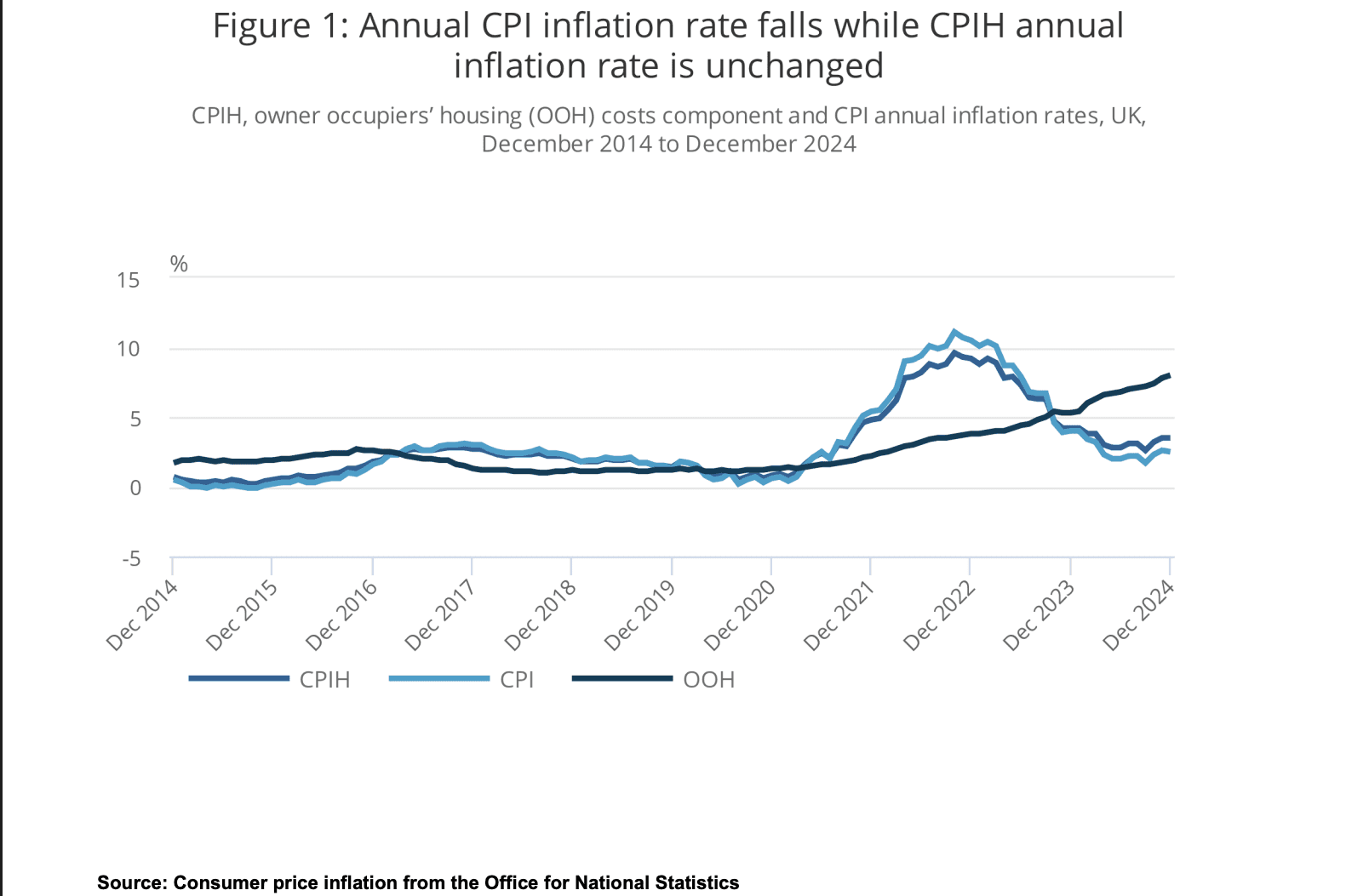
By the end of 2024, UK consumer price inflation had settled closer to long-term norms. Headline inflation was around 2.5 percent, with broader measures including housing costs closer to 3.5 percent. While this represents a significant improvement from earlier peaks, it does not mean project economics have returned to pre-inflation conditions.
Costs have reset upwards. Salaries, overheads and operational expenses remain materially higher than they were several years ago. For practices working on long projects with fixed or slow-moving fees, this creates an ongoing risk to profitability.
Inflation is no longer a shock. It is now embedded in the cost base.
How inflation now affects architecture practices
In earlier periods of high inflation, the challenge was speed. Costs rose faster than anyone expected, catching fixed-fee projects off guard.
Today, the challenge is different.
Projects are still being delivered under assumptions made before costs stabilised. Fees agreed twelve or eighteen months ago may no longer reflect current salary expectations, overhead structures or delivery effort.
At the same time, economic uncertainty continues to affect client behaviour. Projects may be delayed, phased differently or re-scoped, extending delivery timelines and compounding cost exposure.
Inflation may be lower, but the commercial risk has not gone away.
Fixed fees and long project timelines
Most architectural services are still delivered under fixed or lump-sum fee arrangements.
These fees are usually calculated using cost assumptions at the time of proposal. On projects running over multiple years, even moderate inflation can erode margins if fees remain static.
In a low-inflation environment, this erosion is slow and often manageable. In a higher-cost environment, the cumulative effect becomes far more visible.
The longer the project, the greater the exposure.
Where cost pressure remains most acute
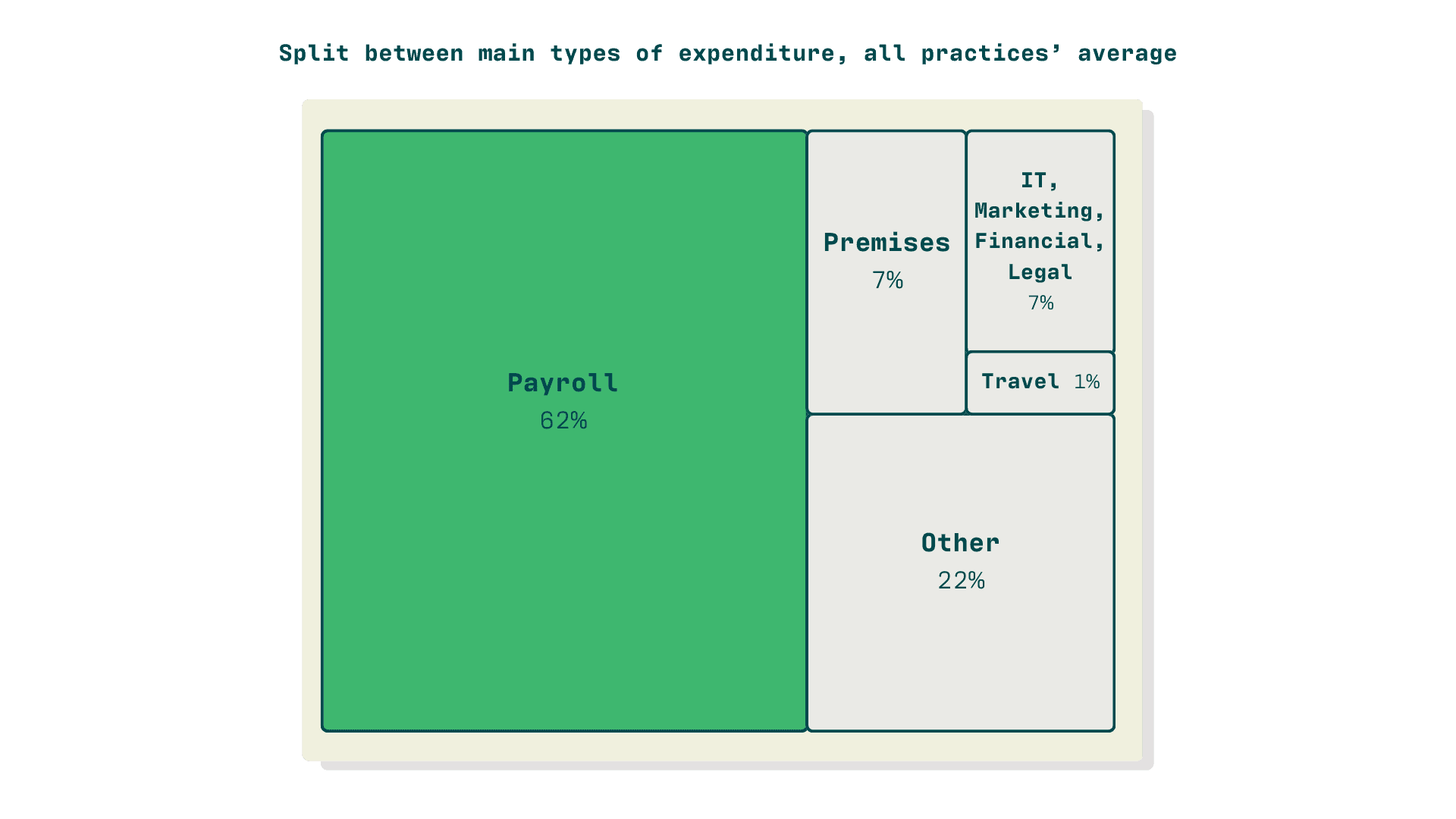
Architecture practices continue to carry a concentrated cost base.
Staff costs remain the dominant expense. While inflation has eased, salary expectations have not reverted. Competition for experienced staff continues to place upward pressure on wages.
Other overheads such as premises, software, insurance and professional services also remain elevated. Some costs can be fixed contractually. Others fluctuate and are harder to predict.
The result is a narrower margin for error.
Why modest inflation still matters to margins
Profit margins in architecture have always been relatively tight.
Even a small mismatch between assumed and actual costs can materially affect outcomes over time. Larger practices are often more exposed, as they operate on thinner margins and deliver longer, more complex projects.
When modest inflation is combined with scope creep, programme extensions or under-recorded time, profitability can quietly disappear.
This is why inflation remains a live issue, even at lower headline rates.
A practical example
Consider a multi-year project priced on the basis of costs at the outset, with a modest margin built in.
As staff costs rise gradually and overheads increase, the real margin narrows. Without fee adjustment, what began as a profitable project can move to break-even or loss by completion.
The issue is not dramatic price spikes. It is cumulative drift.
Practical ways to protect profitability
There is no single solution, but there are proven approaches that reduce exposure.
Option 1: Hourly or day rates with review points
Hourly or daily rate structures allow fees to reflect current costs more closely.
Where used, contracts should include clear provisions for rate review. This creates transparency and avoids disputes later.
This approach works best for smaller or early-stage work, where clients accept greater flexibility.
Option 2: Build inflation realism into fees
Another approach is to explicitly allow for cost movement when pricing fixed fees.
Rather than predicting precise inflation rates, this involves acknowledging cost risk and pricing accordingly. While imperfect, this is usually safer than assuming static costs over long timelines.
This approach shares risk between practice and client.
Option 3: Index-linked fee adjustments
Some practices choose to formally link fees to published inflation indices.
A base fee is agreed, with invoices adjusted periodically using an agreed index. This removes guesswork and provides an objective mechanism for adjustment.
This approach shifts more risk to the client and requires careful upfront agreement.
Using systems to manage inflation risk
Managing inflation is ultimately about visibility.
Practices need to understand:
How costs are changing
How projects are performing against original assumptions
Where margin erosion is occurring
Fresh Projects supports this by providing:
Accurate time and cost tracking across projects
Clear comparison between budgeted and actual performance
Support for inflation-adjusted invoicing where agreed
Better forecasting across long project timelines
Planning for a higher-cost baseline
Inflation may have moderated, but costs have not returned to historic lows.
Practices that assume “normality” has returned risk repeating mistakes made during the inflationary surge. Those that plan for a higher-cost baseline, and price and manage projects accordingly, are better placed to protect margins and stability.
Fresh Projects gives architecture practices the financial visibility they need to manage cost pressure with confidence.
If you would like to see how this works in practice, you can book a 30-minute demo.
Inflation has eased from the extreme levels seen in recent years. However, for architecture practices, the impact has not disappeared.
By the end of 2024, UK consumer price inflation had settled closer to long-term norms. Headline inflation was around 2.5 percent, with broader measures including housing costs closer to 3.5 percent. While this represents a significant improvement from earlier peaks, it does not mean project economics have returned to pre-inflation conditions.
Costs have reset upwards. Salaries, overheads and operational expenses remain materially higher than they were several years ago. For practices working on long projects with fixed or slow-moving fees, this creates an ongoing risk to profitability.
Inflation is no longer a shock. It is now embedded in the cost base.
How inflation now affects architecture practices
In earlier periods of high inflation, the challenge was speed. Costs rose faster than anyone expected, catching fixed-fee projects off guard.
Today, the challenge is different.
Projects are still being delivered under assumptions made before costs stabilised. Fees agreed twelve or eighteen months ago may no longer reflect current salary expectations, overhead structures or delivery effort.
At the same time, economic uncertainty continues to affect client behaviour. Projects may be delayed, phased differently or re-scoped, extending delivery timelines and compounding cost exposure.
Inflation may be lower, but the commercial risk has not gone away.
Fixed fees and long project timelines
Most architectural services are still delivered under fixed or lump-sum fee arrangements.
These fees are usually calculated using cost assumptions at the time of proposal. On projects running over multiple years, even moderate inflation can erode margins if fees remain static.
In a low-inflation environment, this erosion is slow and often manageable. In a higher-cost environment, the cumulative effect becomes far more visible.
The longer the project, the greater the exposure.
Where cost pressure remains most acute
Architecture practices continue to carry a concentrated cost base.
Staff costs remain the dominant expense. While inflation has eased, salary expectations have not reverted. Competition for experienced staff continues to place upward pressure on wages.
Other overheads such as premises, software, insurance and professional services also remain elevated. Some costs can be fixed contractually. Others fluctuate and are harder to predict.
The result is a narrower margin for error.
Why modest inflation still matters to margins
Profit margins in architecture have always been relatively tight.
Even a small mismatch between assumed and actual costs can materially affect outcomes over time. Larger practices are often more exposed, as they operate on thinner margins and deliver longer, more complex projects.
When modest inflation is combined with scope creep, programme extensions or under-recorded time, profitability can quietly disappear.
This is why inflation remains a live issue, even at lower headline rates.
A practical example
Consider a multi-year project priced on the basis of costs at the outset, with a modest margin built in.
As staff costs rise gradually and overheads increase, the real margin narrows. Without fee adjustment, what began as a profitable project can move to break-even or loss by completion.
The issue is not dramatic price spikes. It is cumulative drift.
Practical ways to protect profitability
There is no single solution, but there are proven approaches that reduce exposure.
Option 1: Hourly or day rates with review points
Hourly or daily rate structures allow fees to reflect current costs more closely.
Where used, contracts should include clear provisions for rate review. This creates transparency and avoids disputes later.
This approach works best for smaller or early-stage work, where clients accept greater flexibility.
Option 2: Build inflation realism into fees
Another approach is to explicitly allow for cost movement when pricing fixed fees.
Rather than predicting precise inflation rates, this involves acknowledging cost risk and pricing accordingly. While imperfect, this is usually safer than assuming static costs over long timelines.
This approach shares risk between practice and client.
Option 3: Index-linked fee adjustments
Some practices choose to formally link fees to published inflation indices.
A base fee is agreed, with invoices adjusted periodically using an agreed index. This removes guesswork and provides an objective mechanism for adjustment.
This approach shifts more risk to the client and requires careful upfront agreement.
Using systems to manage inflation risk
Managing inflation is ultimately about visibility.
Practices need to understand:
How costs are changing
How projects are performing against original assumptions
Where margin erosion is occurring
Fresh Projects supports this by providing:
Accurate time and cost tracking across projects
Clear comparison between budgeted and actual performance
Support for inflation-adjusted invoicing where agreed
Better forecasting across long project timelines
Planning for a higher-cost baseline
Inflation may have moderated, but costs have not returned to historic lows.
Practices that assume “normality” has returned risk repeating mistakes made during the inflationary surge. Those that plan for a higher-cost baseline, and price and manage projects accordingly, are better placed to protect margins and stability.
Fresh Projects gives architecture practices the financial visibility they need to manage cost pressure with confidence.
If you would like to see how this works in practice, you can book a 30-minute demo.
Published:
Published:


Why Reporting Still Leaves Architecture and Engineering Firms Guessing
Why Reporting Still Leaves Architecture and Engineering Firms Guessing
Why Reporting Still Leaves Architecture and Engineering Firms Guessing
Inside many built environment firms, meetings meant for decisions quietly turn into debates about the numbers on the page.
Inside many built environment firms, meetings meant for decisions quietly turn into debates about the numbers on the page.
Read More
Read More

If One Office Says “That’s Not How We Do It”, Leadership is Flying Blind
If One Office Says “That’s Not How We Do It”, Leadership is Flying Blind
If One Office Says “That’s Not How We Do It”, Leadership is Flying Blind
In many built environment consultancies, reporting technically works. The challenge is that clarity often arrives after the moment when it would have influenced action.
In many built environment consultancies, reporting technically works. The challenge is that clarity often arrives after the moment when it would have influenced action.
Read More
Read More

Why Reporting Still Slows Down Established Firms Delivering Services in the Built Environment
Why Reporting Still Slows Down Established Firms Delivering Services in the Built Environment
Why Reporting Still Slows Down Established Firms Delivering Services in the Built Environment
Even with reporting systems in place, many architecture, engineering and quantity surveying firms find that insight arrives too late to influence decisions during delivery.
Even with reporting systems in place, many architecture, engineering and quantity surveying firms find that insight arrives too late to influence decisions during delivery.
Read More
Read More

How to Compare Practice Management Tools for Architect and Engineering Firms in 2026
How to Compare Practice Management Tools for Architect and Engineering Firms in 2026
How to Compare Practice Management Tools for Architect and Engineering Firms in 2026
Choosing a practice management system is no longer about feature lists. This guide explains how architecture and engineering firms should compare tools in 2026, focusing on adoption, usability and decision-making rather than complexity.
Choosing a practice management system is no longer about feature lists. This guide explains how architecture and engineering firms should compare tools in 2026, focusing on adoption, usability and decision-making rather than complexity.
Read More
Read More

Autumn Budget 2025: What It Means for Architecture and Engineering Firms
Autumn Budget 2025: What It Means for Architecture and Engineering Firms
Autumn Budget 2025: What It Means for Architecture and Engineering Firms
Implications for resourcing, margins and medium-term planning
Implications for resourcing, margins and medium-term planning
Read More
Read More

How Larger Architecture and Engineering Firms Stay Profitable in a Slower Construction Market
How Larger Architecture and Engineering Firms Stay Profitable in a Slower Construction Market
How Larger Architecture and Engineering Firms Stay Profitable in a Slower Construction Market
What 50–100 person practices are tightening up when pipelines soften
What 50–100 person practices are tightening up when pipelines soften
Read More
Read More

Why Traditional Reporting is Holding A&E Firms Back
Why Traditional Reporting is Holding A&E Firms Back
Why Traditional Reporting is Holding A&E Firms Back
Why Traditional Reporting is Holding A&E Firms Back
Why Traditional Reporting is Holding A&E Firms Back
Read More
Read More

Spreadsheets in A&E Firms: Usage, Key Features, and Underappreciated Gems
Spreadsheets in A&E Firms: Usage, Key Features, and Underappreciated Gems
Spreadsheets in A&E Firms: Usage, Key Features, and Underappreciated Gems
A practical guide to using Excel and Sheets well, and knowing when to graduate to purpose-built systems without losing the flexibility you love.
A practical guide to using Excel and Sheets well, and knowing when to graduate to purpose-built systems without losing the flexibility you love.
Read More
Read More

Breaking Barriers in AEC: Meet the Women Driving Fresh Projects
Breaking Barriers in AEC: Meet the Women Driving Fresh Projects
Breaking Barriers in AEC: Meet the Women Driving Fresh Projects
Why representation, visibility and better systems matter for the future of architecture and engineering
Why representation, visibility and better systems matter for the future of architecture and engineering
Read More
Read More

Legacy Firms, Future Focus: Why Architecture’s Crossroads Is a Leadership Moment
Legacy Firms, Future Focus: Why Architecture’s Crossroads Is a Leadership Moment
Legacy Firms, Future Focus: Why Architecture’s Crossroads Is a Leadership Moment
How firm leaders can protect margin, prepare successors and modernise delivery without losing what made them successful
How firm leaders can protect margin, prepare successors and modernise delivery without losing what made them successful
Read More
Read More

Outgrowing Spreadsheets: 5 Ways to Maintain Profitability as Your Firm Grows
Outgrowing Spreadsheets: 5 Ways to Maintain Profitability as Your Firm Grows
Outgrowing Spreadsheets: 5 Ways to Maintain Profitability as Your Firm Grows
How architecture and engineering practices protect margin as teams and project complexity increase
How architecture and engineering practices protect margin as teams and project complexity increase
Read More
Read More

The Profitability Pyramid: Where UK Architecture Firms Make and Lose Money
The Profitability Pyramid: Where UK Architecture Firms Make and Lose Money
The Profitability Pyramid: Where UK Architecture Firms Make and Lose Money
Understanding the real drivers of financial performance for medium and large practices over the past year
Understanding the real drivers of financial performance for medium and large practices over the past year
Read More
Read More

3 Lessons to Help You Run a More Profitable Practice
3 Lessons to Help You Run a More Profitable Practice
3 Lessons to Help You Run a More Profitable Practice
Practical insights from A&E leaders on spotting profit risks early, communicating value, and protecting margins
Practical insights from A&E leaders on spotting profit risks early, communicating value, and protecting margins
Read More
Read More

Embracing Neurodiversity in Architecture
Embracing Neurodiversity in Architecture
Embracing Neurodiversity in Architecture
How inclusive practice design can unlock creativity, innovation and operational clarity
How inclusive practice design can unlock creativity, innovation and operational clarity
Read More
Read More

Profitable Projects: Winning the Right Projects in AEC
Profitable Projects: Winning the Right Projects in AEC
Profitable Projects: Winning the Right Projects in AEC
How to qualify leads, focus your pipeline and forecast success more confidently
How to qualify leads, focus your pipeline and forecast success more confidently
Read More
Read More

Profitable Projects: The Art of Cashflow Alchemy in AEC
Profitable Projects: The Art of Cashflow Alchemy in AEC
Profitable Projects: The Art of Cashflow Alchemy in AEC
How architecture and engineering firms can turn unpredictable cash flow into a strategic advantage
How architecture and engineering firms can turn unpredictable cash flow into a strategic advantage
Read More
Read More

Profitable Projects: A Three-Part Series on AEC Profitability - Setting the Right Fee for Success
Profitable Projects: A Three-Part Series on AEC Profitability - Setting the Right Fee for Success
Profitable Projects: A Three-Part Series on AEC Profitability - Setting the Right Fee for Success
Why bottom-up fee setting, clear scope and real-time cost visibility underpin profitable projects
Why bottom-up fee setting, clear scope and real-time cost visibility underpin profitable projects
Read More
Read More

How Firm Management Tools for Architects and Engineers Drastically Increase Profits
How Firm Management Tools for Architects and Engineers Drastically Increase Profits
How Firm Management Tools for Architects and Engineers Drastically Increase Profits
Why better visibility across projects, people and finances is now essential for sustainable practice performance
Why better visibility across projects, people and finances is now essential for sustainable practice performance
Read More
Read More
How to Manage Inflation on Architecture Projects
How to Manage Inflation on Architecture Projects
How to Manage Inflation on Architecture Projects
Practical ways to protect fees and margins when costs change mid-project
Practical ways to protect fees and margins when costs change mid-project
Read More
Read More

An Architect’s Guide to Project Budgeting
An Architect’s Guide to Project Budgeting
An Architect’s Guide to Project Budgeting
How to build realistic, profitable project budgets that support better pricing and delivery
How to build realistic, profitable project budgets that support better pricing and delivery
Read More
Read More

An Architect’s Guide to Managing Scope Creep
An Architect’s Guide to Managing Scope Creep
An Architect’s Guide to Managing Scope Creep
How to protect fees, margins and client relationships when projects change
How to protect fees, margins and client relationships when projects change
Read More
Read More

Improve Project Profitability: An Architect’s Guide
Improve Project Profitability: An Architect’s Guide
Improve Project Profitability: An Architect’s Guide
Practical ways architecture practices can protect margins and make better commercial decisions
Practical ways architecture practices can protect margins and make better commercial decisions
Read More
Read More

Pricing Methods for Architects: How to Price Architecture Services
Pricing Methods for Architects: How to Price Architecture Services
Pricing Methods for Architects: How to Price Architecture Services
When to use hourly rates, fixed fees or percentage pricing, and how to choose with confidence
When to use hourly rates, fixed fees or percentage pricing, and how to choose with confidence
Read More
Read More

Calculate Your Cost Rate in 3 Simple Steps
Calculate Your Cost Rate in 3 Simple Steps
Calculate Your Cost Rate in 3 Simple Steps
Why understanding your true cost rate is the foundation of profitable fees, resourcing and decision-making
Why understanding your true cost rate is the foundation of profitable fees, resourcing and decision-making
Read More
Read More

When to Hire? Three Factors That Will Change How You Think About Resourcing
When to Hire? Three Factors That Will Change How You Think About Resourcing
When to Hire? Three Factors That Will Change How You Think About Resourcing
Why workload visibility and forecasting matter more than instinct in mid-sized architecture practices
Why workload visibility and forecasting matter more than instinct in mid-sized architecture practices
Read More
Read More

Didn’t Reach Your Profit Goals Last Year? Get These 5 Basics Right This Year
Didn’t Reach Your Profit Goals Last Year? Get These 5 Basics Right This Year
Didn’t Reach Your Profit Goals Last Year? Get These 5 Basics Right This Year
Five practical habits that help architecture practices improve profitability without adding complexity
Five practical habits that help architecture practices improve profitability without adding complexity
Read More
Read More

3 Questions Every Profitable Architecture Practice Can Answer
3 Questions Every Profitable Architecture Practice Can Answer
3 Questions Every Profitable Architecture Practice Can Answer
How clear insight into projects, clients and utilisation drives better decisions in mid-sized A&E firms
How clear insight into projects, clients and utilisation drives better decisions in mid-sized A&E firms
Read More
Read More

Is There a Secret to Being a Profitable Architecture Practice?
Is There a Secret to Being a Profitable Architecture Practice?
Is There a Secret to Being a Profitable Architecture Practice?
Why the most profitable firms spend less time on financial management and still make better decisions
Why the most profitable firms spend less time on financial management and still make better decisions
Read More
Read More

The “A Team” Approach: How a Simple Change Can Improve Profitability
The “A Team” Approach: How a Simple Change Can Improve Profitability
The “A Team” Approach: How a Simple Change Can Improve Profitability
Why reallocating work across roles can dramatically improve utilisation and margins in 50–100 person A&E practices
Why reallocating work across roles can dramatically improve utilisation and margins in 50–100 person A&E practices
Read More
Read More

I Love Excel. I Hate Excel.
I Love Excel. I Hate Excel.
I Love Excel. I Hate Excel.
Why spreadsheets break down in 50–100 person architecture and engineering practices, and what works better
Why spreadsheets break down in 50–100 person architecture and engineering practices, and what works better
Read More
Read More

Getting Project Fees Right in Large Architecture and Engineering Firms
Getting Project Fees Right in Large Architecture and Engineering Firms
Getting Project Fees Right in Large Architecture and Engineering Firms
How accurate budgeting and disciplined scope control protect profitability in 50–100 person A&E practices
How accurate budgeting and disciplined scope control protect profitability in 50–100 person A&E practices
Read More
Read More

Why Hidden Working Capital Is the Silent Risk in Large Architecture and Engineering Firms
Why Hidden Working Capital Is the Silent Risk in Large Architecture and Engineering Firms
Why Hidden Working Capital Is the Silent Risk in Large Architecture and Engineering Firms
The financial blind spot that catches even well-run architecture and engineering practices
The financial blind spot that catches even well-run architecture and engineering practices
Read More
Read More

How Large Architecture and Engineering Firms Win More of the Right Jobs
How Large Architecture and Engineering Firms Win More of the Right Jobs
How Large Architecture and Engineering Firms Win More of the Right Jobs
How Large Architecture and Engineering Firms Win More of the Right Jobs
How Large Architecture and Engineering Firms Win More of the Right Jobs
Read More
Read More
Fresh Projects is a UK-based software platform designed for architects, engineers, and other built-environment professionals to manage financial aspects of their projects. It helps teams track fees, timesheets, expenses, billing, and overall profitability to keep projects on budget and profitable. The platform also centralises project data, streamlines administrative tasks, and offers mobile app support for easy access and updates.
1a Colinette Road
London
SW15 6QG
© 2026 Fresh Projects
Product
